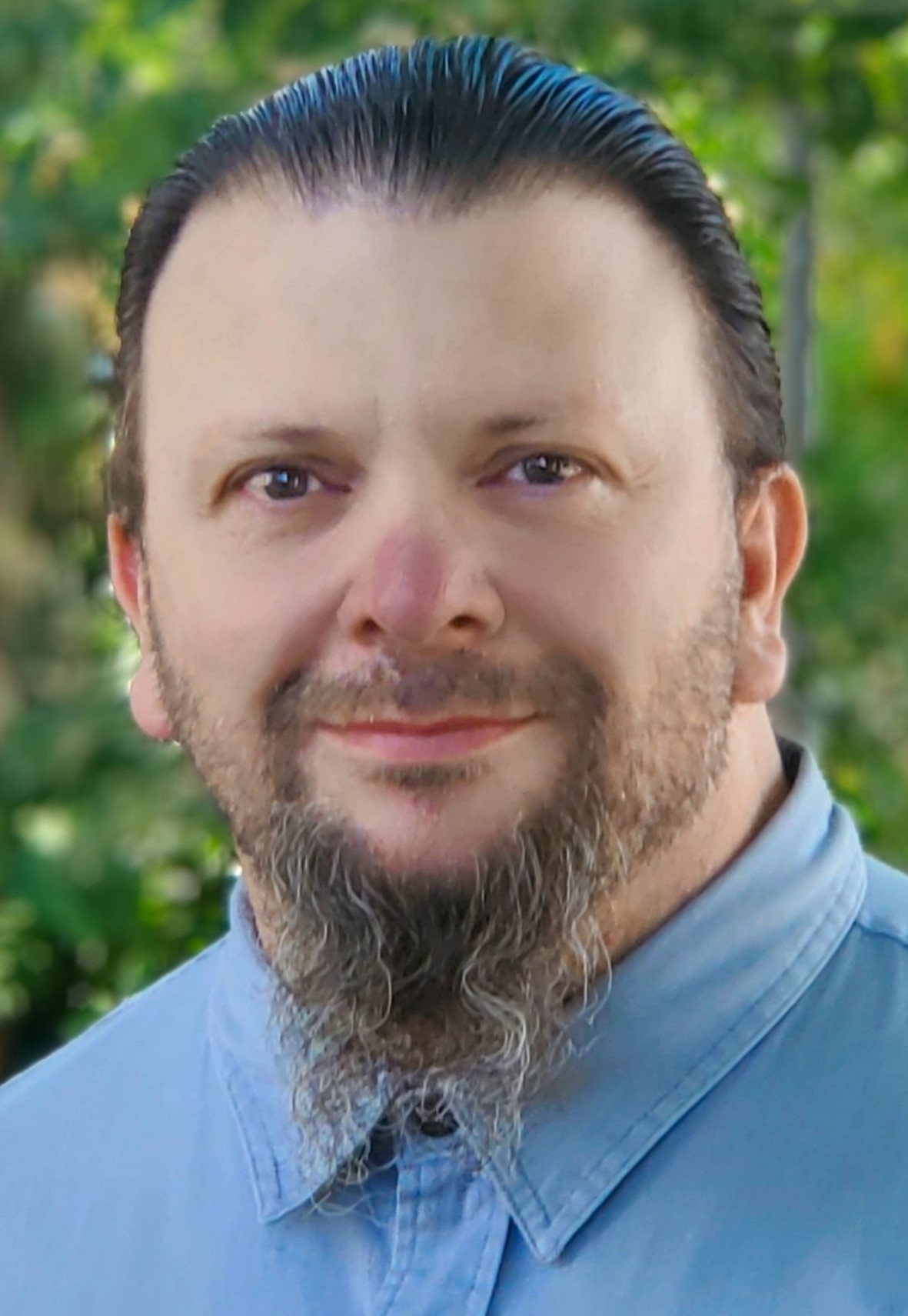
M.L. Weaver
Human-AI Collaboration and Knowledge Transfer
Across AI collaboration, organizations, families, and cultural transmission.
Where Knowledge Breaks
Knowledge doesn’t just get lost. It breaks in specific, findable ways. I research those failure modes across four scales: individual human-AI collaboration, organizational knowledge, generational transmission, and the long history of how cultures have tried to pass themselves forward.
Human-AI Collaboration
What gets lost in the session itself
Organizational Knowledge
What leaves with experienced people
Generational Transfer
What fails to pass from one generation to the next
Cultural Transmission
What older forms of apprenticeship once carried
The Same Failure at Different Scales
Knowledge transfer has always been hard. What’s changed is that we now have AI systems that can create the illusion of transfer without the substance of it — and that failure is showing up at every scale, from a single desk to an organization to a generation trying to receive what the previous one built.
I research the specific ways knowledge fails to move where it needs to. The four areas on the right are not separate categories so much as the same failure appearing at different scales. Understanding one helps illuminate the others.
Human-AI Collaboration
When a person works with an AI system, knowledge gets lost in the session itself — context that wasn’t transferred, judgment that was handed off to a system that couldn’t hold it, outputs that looked right but weren’t.
Organizational Knowledge
When experienced people leave, they take things with them that were never written down. The knowledge that made them effective — the judgment calls, the workarounds, the reasons behind the rules — disappears with them.
Generational Transfer
Families, traditions, and crafts try to hand themselves to the next generation in a form the next generation can actually use. Most of the time something essential gets lost in translation.
Cultural Transmission
The oldest forms of transmission — apprenticeship, initiation, classical education — knew things about knowledge transfer that modern institutions have largely forgotten. That history is worth studying.
Button: delete or leave for now
About M.L. Weaver
My current work centers on a single problem: knowledge that doesn’t move the way it needs to.
That problem shows up everywhere I look. In a session with an AI, where context gets lost and judgment gets handed to a system that can’t hold it. In an organization, when the people who know how things actually work walk out the door. Between generations, when what gets passed forward arrives in a form the next generation can’t use. And across centuries, where entire traditions of transmission — apprenticeship, initiation, classical education — have been quietly dismantled without replacement.
These aren’t separate problems. They’re the same failure at different scales. That’s what I write about, and it’s what Speardane Operations Consulting — my knowledge-capture practice — is built to address at the organizational level.