Every book begins as a fragment. For me, the Meronymy series began with questions more than answers. What would it mean to build a life around art in a time when the world demanded conformity? What happens when the voices we cling to—whether musical, personal, or cultural—fade? And how do ordinary people, caught in the sweep of history, find their place when everything is changing?
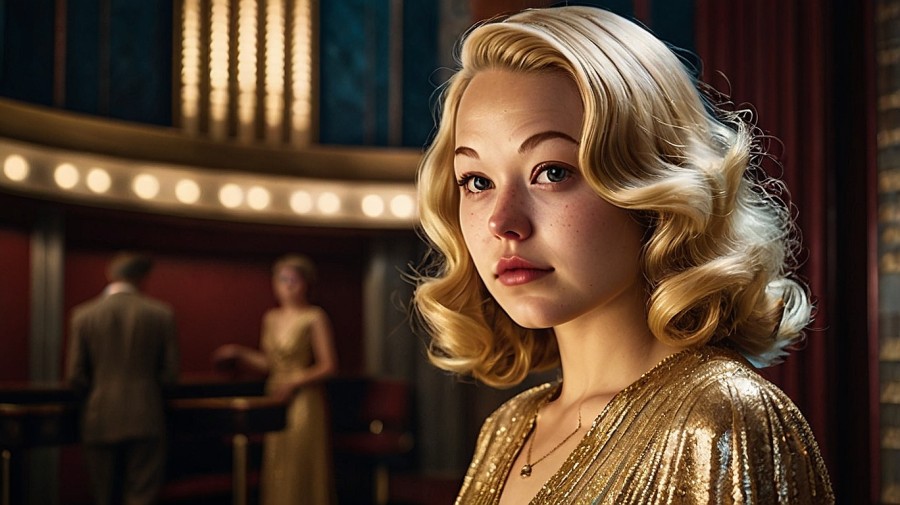
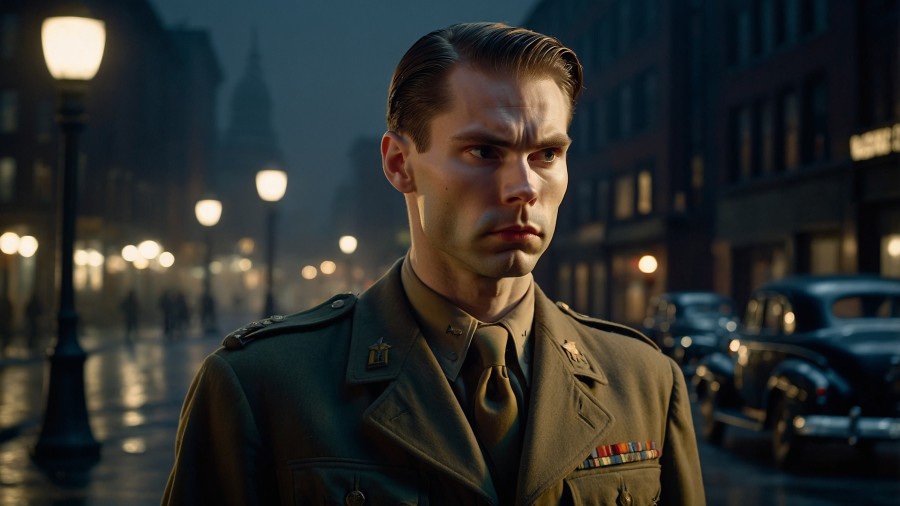
From those questions came Samuel Freeman, a man who sweeps floors but dreams in music. He embodied the tension between duty and desire, the quiet hope that something as intangible as art might alter the course of a life. Then came Chloe Lucesco, rising into the air with her plane, Persephone, a figure driven by the same need to redefine herself against forces larger than she could control.
These stories are not about heroes in the traditional sense. They are about caretakers, pilots, dreamers—the people who live in the margins of history but carry within them the full weight of longing and resilience. Writing them was my way of exploring impermanence, but also renewal—the dust that settles and the voices that fade, only to leave echoes that shape what comes next.
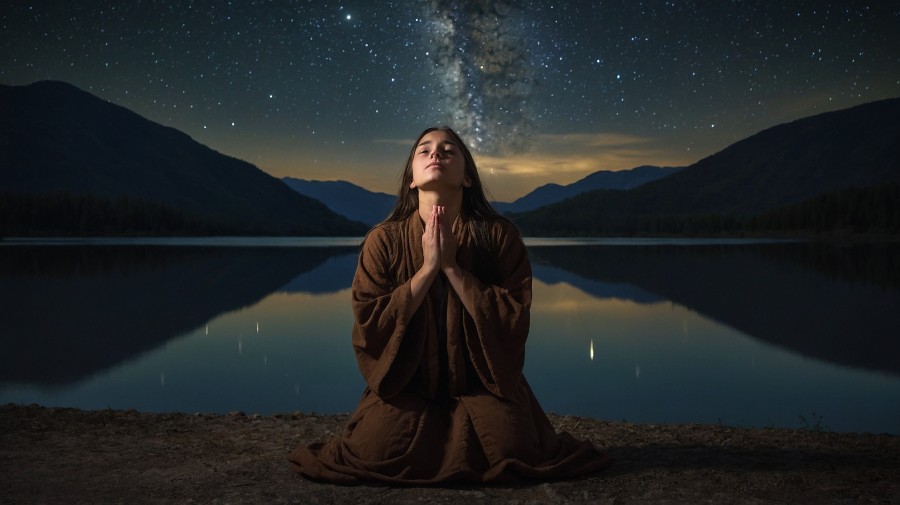
Readers often ask whether Meronymy is a place or an idea. I think it’s both. It is a landscape where memory and imagination collide, where dust is brushed aside to reveal hidden light, and where voices take flight even knowing they cannot last. It is, in short, the world we all inhabit—captured in stories that I hope linger with you long after the final page is turned.
0 Comments